
Workplace safety remains one of the most important priorities in industrial and warehouse environments. Material handling operations often involve lifting, transporting, and moving heavy products, which can create potential risks for workers. Vertical Conveyor Systems help organizations create safer workplaces while maintaining operational efficiency.
Traditional methods such as forklifts, manual lifting, and freight elevators can expose employees to various hazards. These include lifting injuries, collisions, falling objects, and equipment-related accidents. Vertical conveyors significantly reduce these risks by automating the movement of materials between floors.
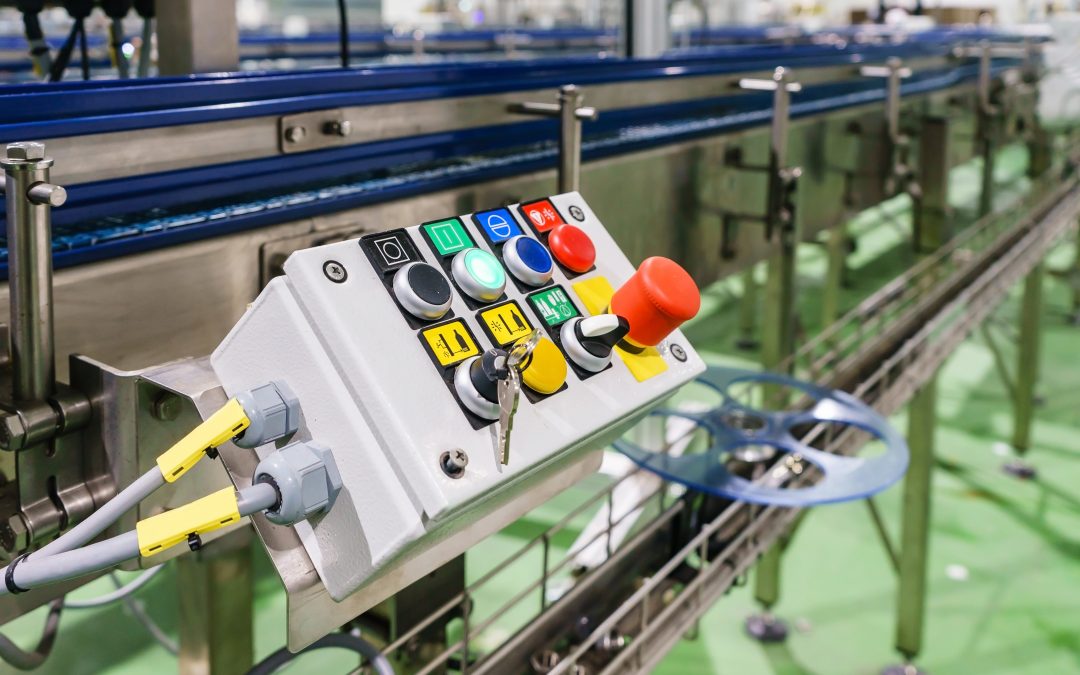
Modern conveyor systems are equipped with multiple safety mechanisms, including protective barriers, emergency stop buttons, interlocked access gates, and load monitoring systems. These features ensure secure operations and help prevent unauthorized access during equipment movement.
By reducing manual handling requirements, vertical conveyors also minimize employee fatigue and repetitive strain injuries. Workers no longer need to transport heavy loads manually, resulting in improved physical well-being and reduced absenteeism.
In addition, automated material transportation creates a more organized workflow. Products move along designated paths, reducing congestion and lowering the likelihood of workplace accidents.
For businesses seeking to enhance safety standards while improving productivity, Vertical Conveyor Systems offer a reliable solution that supports both operational goals and employee well-being.